
Building resilient futures: Understanding rural youth through a new lens
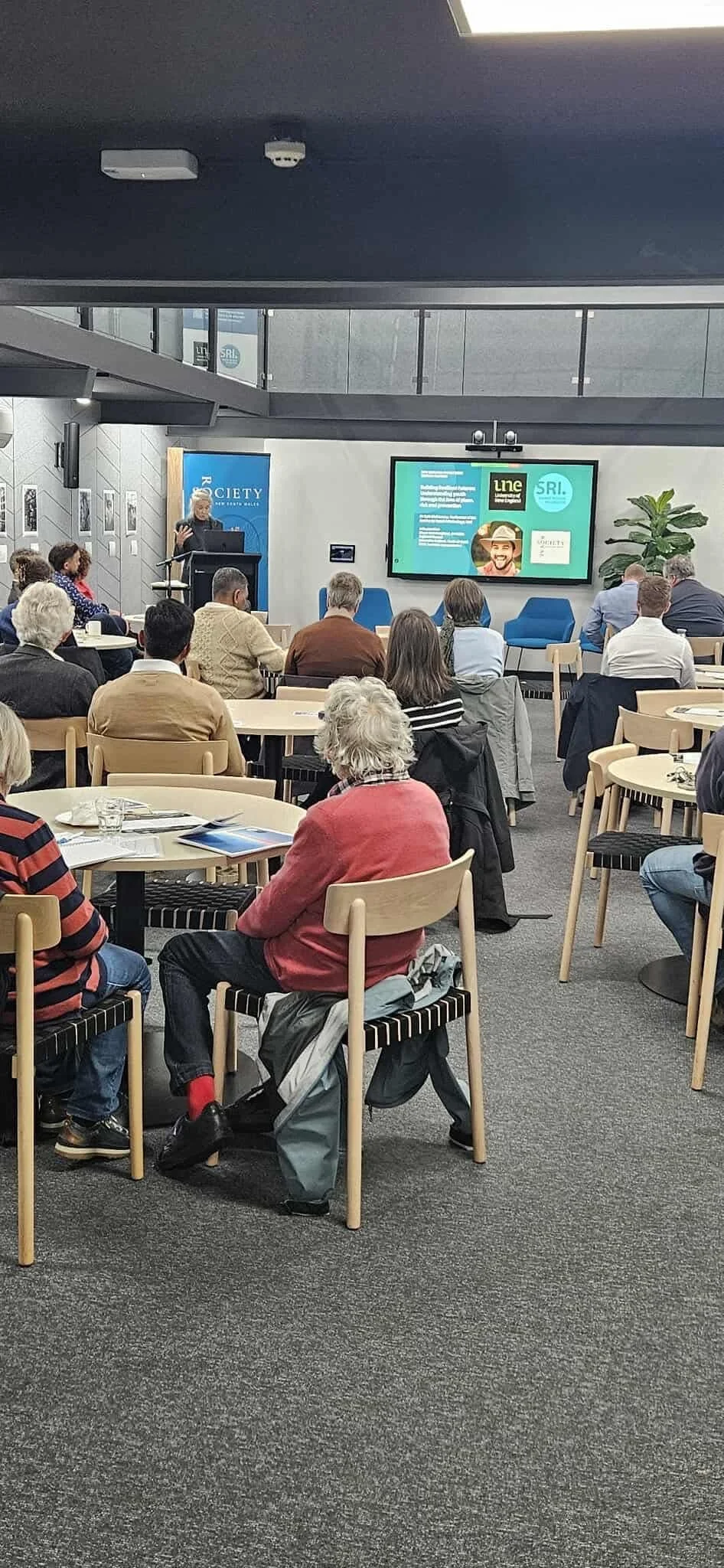
Royal Society of NSW panel at NOVA
The conversation about rural youth typically starts with what's missing—services, opportunities, pathways. But on Tuesday evening at NOVA, a panel assembled by the Royal Society of NSW New England North West Branch in partnership with UNE SMART Region Incubator flipped that narrative entirely, asking instead: what if rural communities already possess the keys to supporting their young people?
The panel brought together Dr Kyle Mulrooney (Co-Director, Centre for Rural Criminology, UNE), Mayor Sam Coupland, Sam Davis (Hunter New England and Central Coast Primary Health Network), and Samantha Guilbert (Youth on Track) to explore how "place matters in meaningful and often overlooked ways" when it comes to understanding rural youth experiences.

Place as more than geography
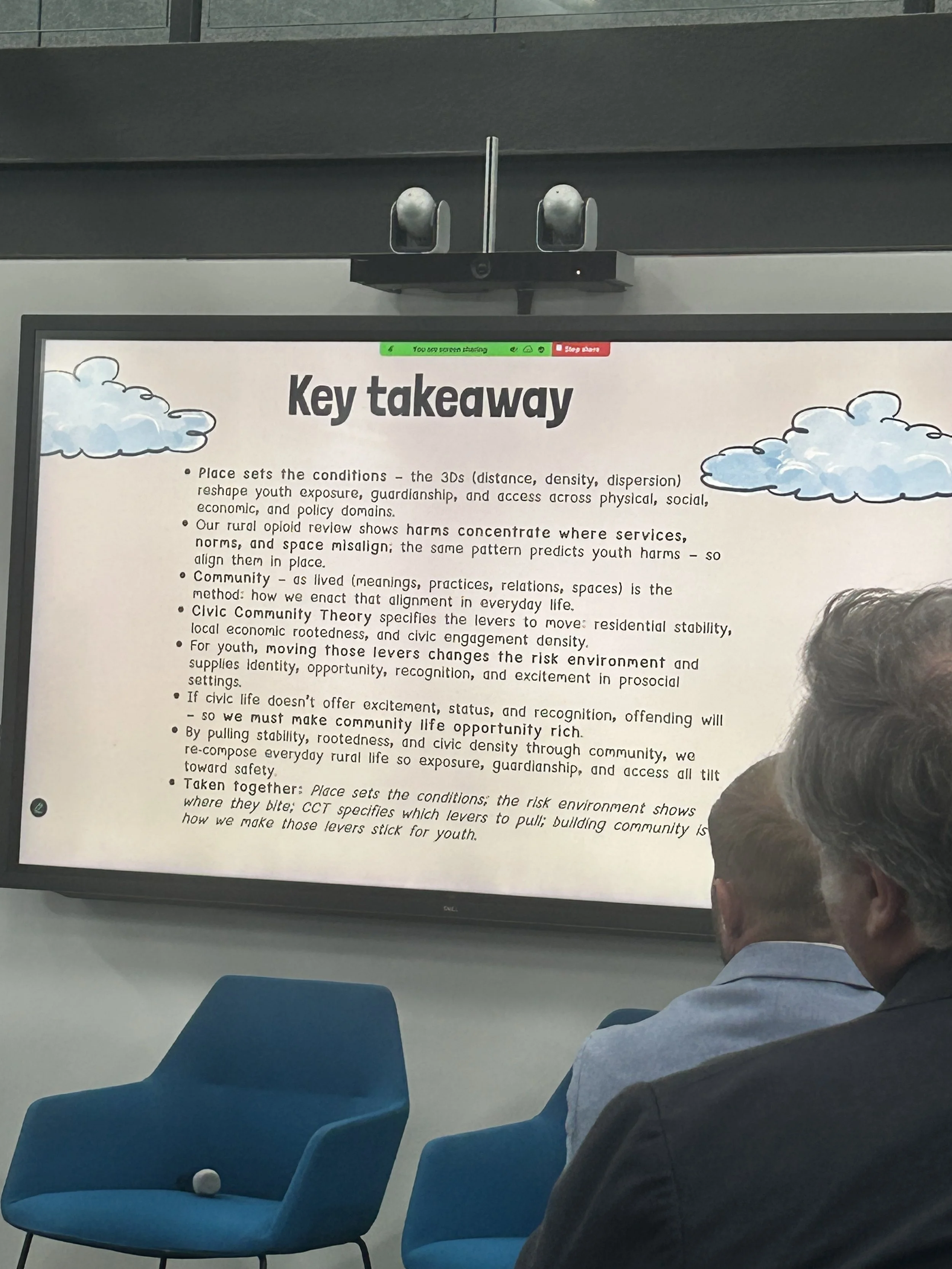
The discussion opened by reframing how we understand place in rural contexts. It's not just geography—it's community culture, social networks, local economy, and the complex web of expectations and opportunities that shape young lives.
The panelists emphasised that rural youth navigate unique social geographies where everyone knows your name and your family's history. This creates both powerful protective factors and unique pressures that urban-designed policies consistently fail to recognise.
Challenging the deficit narrative
Too often, the panel noted, rural communities are framed only as "high-risk," "problem areas," or "deficit communities." This lens obscures the reality that many rural youth experience strong social ties and deep community belonging—protective factors that urban young people may lack.
The discussion highlighted how communities demonstrate remarkable creativity in developing local solutions when given the chance. Risk in rural contexts arises primarily from structural limitations: scarce mental health services, limited employment pathways, and distances that transform simple logistics into major barriers. As noted during the discussion, "structural disadvantage shapes opportunity" in ways that metropolitan policymakers rarely grasp.
Prevention rooted in place
The panelists explored what works for rural youth, agreeing that "programs succeed when communities drive them", not when solutions are imported wholesale from urban models.
Successful examples shared included:
• Youth programs tapping into local culture and creative opportunities
• School-community partnerships that leverage existing relationships
• Support for local mentors who understand the context
• Practical skill-building programs in agriculture, trades, arts, and sports
The most successful programs respect local identity and build on existing community strengths. They engage youth as partners, not problems to be solved.
The critical role of belonging
Throughout the evening, the panel repeatedly returned to the theme of belonging. Young people thrive when they feel seen, valued, and heard within their communities. As emphasised during the discussion, "relationships are central in rural life" not just as a feel-good rhetoric, but a core prevention tool.
Local adults including coaches, teachers, elders, employers, often play bigger roles than formal systems in shaping youth resilience. Community activities, from sports clubs to youth councils to arts festivals, foster the connections that keep young people engaged and hopeful about their futures.
The discussion reinforced that relationship-building in rural communities is often the difference between a young person thriving or falling through the cracks.
A message for policymakers
The panel had clear messages for those making decisions about rural youth services. A key point raised was the need to stop treating rural as a single category, noting that "communities differ enormously in needs and resources."
The collective recommendations included:
• Consult rural communities directly rather than assuming what they need
• Fund long-term, consistent programs instead of one-off pilots that disappear just as trust is built
• Address the economic drivers of youth vulnerability, because without jobs and opportunities, other interventions can only go so far
The panellists emphasised that effective support for rural youth requires holistic thinking. It's not just about crime prevention. It's about education, health, transport, economy, culture, and identity all working together.
Moving forward together
As the discussion wrapped up, the panel offered final reflections. The consensus was clear: "rural communities have strengths worth building on", strengths that are too often invisible to metropolitan eyes.
The discussion highlighted that rural young people possess creativity, resilience, and deep community connections that are assets, not deficits. The challenge is to create systems that recognise and build on these strengths.
One audience member's reflection captured the evening's spirit: "We've been told for so long what we're missing. Tonight was about recognising what we have and building from there."
The partnership between the Royal Society of NSW NENW Branch and UNE SRI in hosting this discussion reflects a growing recognition that rural communities need spaces to share knowledge, challenge assumptions, and develop place-based solutions. For the practitioners, policymakers, and community members in attendance, the message was clear: rural youth futures depend on listening to local voices, supporting local leadership, and sustaining investment in what works.
As attendees continued conversations over refreshments, one thing was certain—building resilient futures for rural youth isn't about fixing what's broken. It's about strengthening what already exists and creating conditions where young people can thrive exactly where they are.