
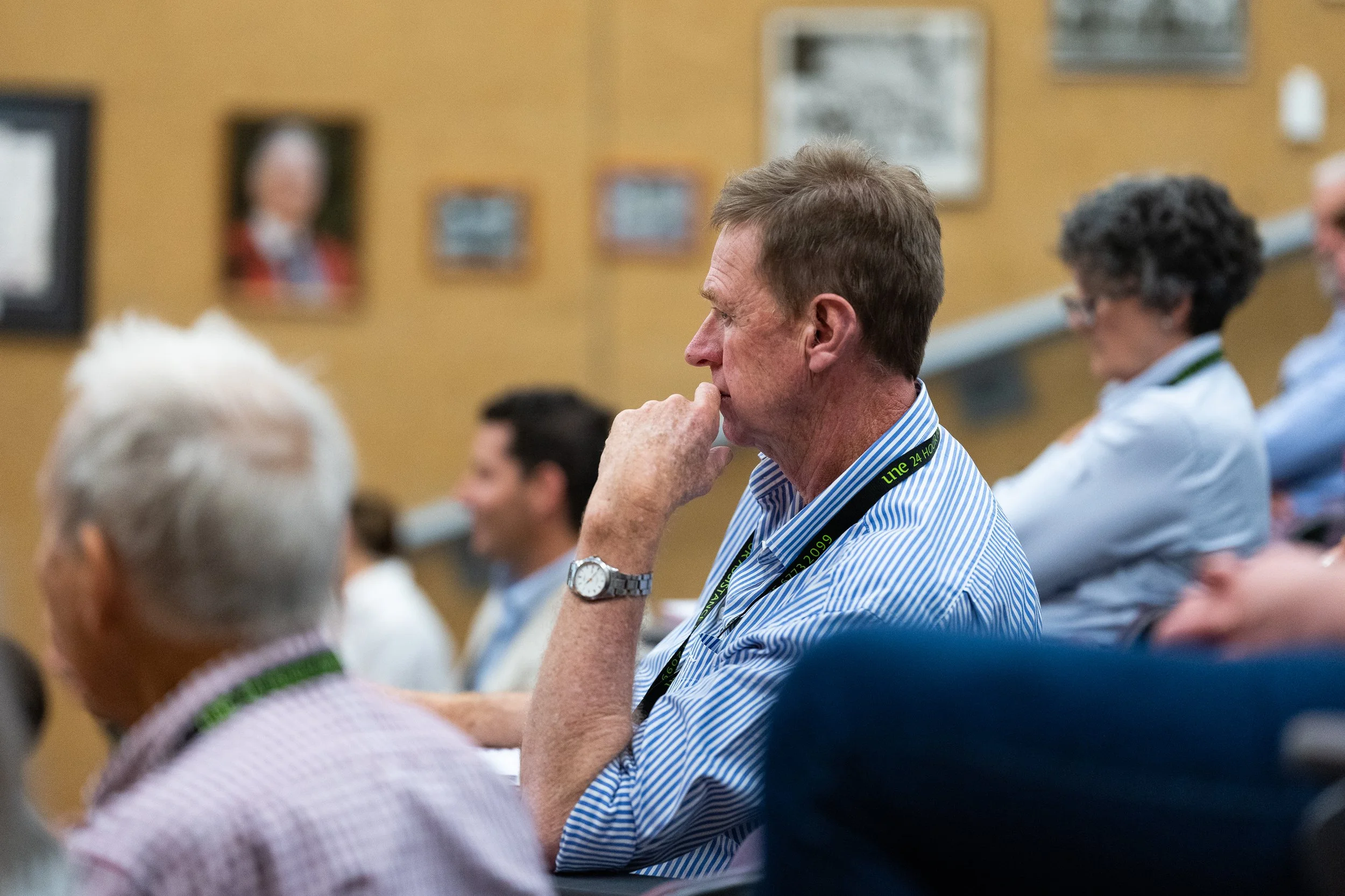
On Friday, 25th November 2025, at UNE’s Wright Centre, guests rolled in, chatting over coffee from the Herdies Van, greeting familiar faces and introducing themselves to new ones. Producers, researchers, students and industry leaders, all under the same roof, drawn by a question that is becoming harder to ignore across the sector: what does it actually look like to farm with the land, not just on it?
Hosted by the UNE SMART Region Incubator as part of its Futures Series, the National Ag Day event brought together voices from across agriculture to explore the role of natural capital in the future of farming. Soil health and biodiversity. Supply chains, markets and measurement - the full picture.
Across the morning, speakers offered short, focused talks drawn from their own work, each bringing a different perspective to the same broad question: how does agriculture respond to growing expectations around sustainability, natural capital and global markets?
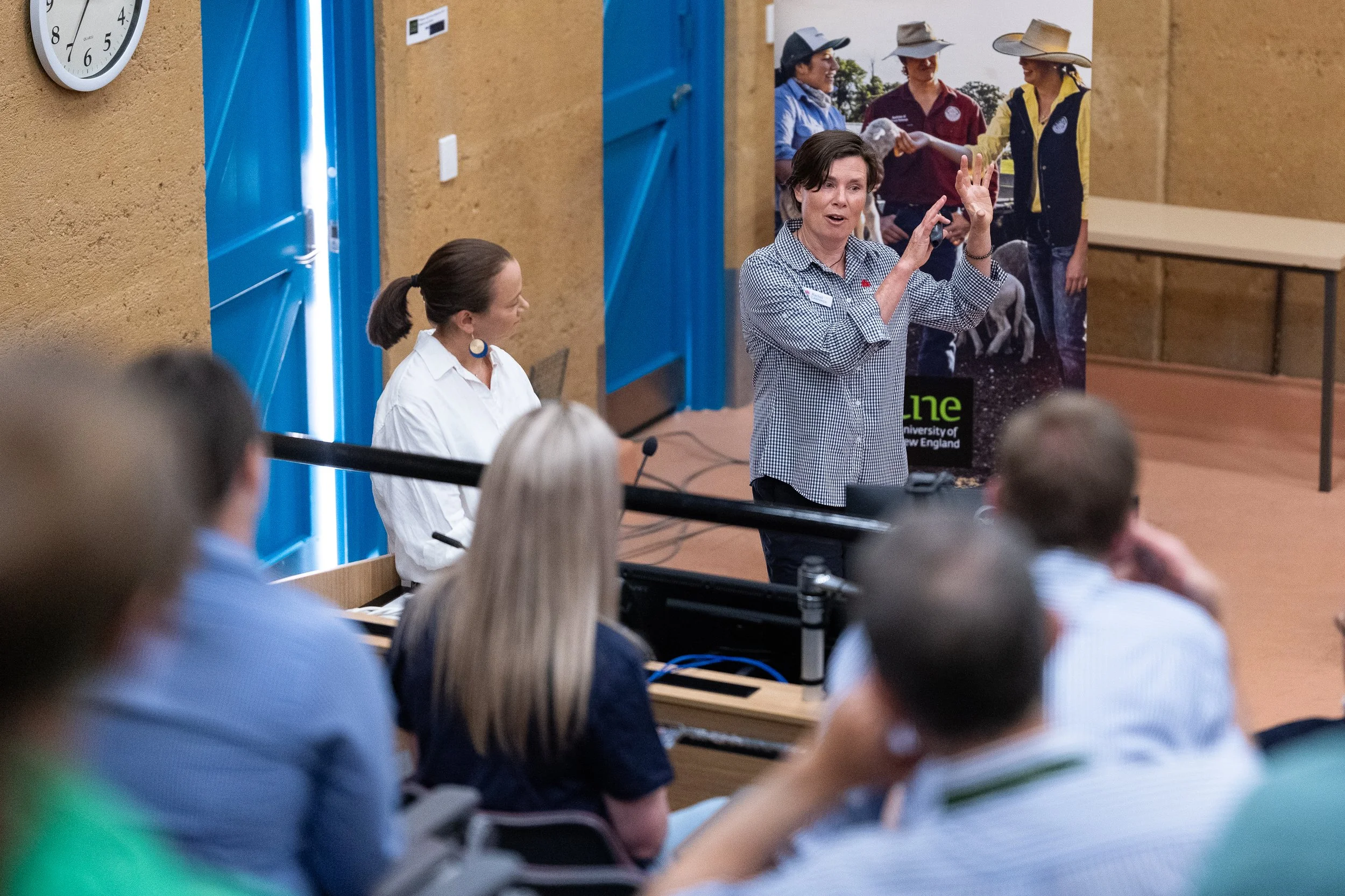
Rachel Lawrence from NSW Local Land Services spoke about landscape stewardship and the practical work happening on farms to support healthier ecosystems alongside productive agriculture. Angela Hammond from Landcare Agriculture reflected on the role of collaboration in restoring and protecting natural capital, and how Landcare groups across the country are helping farmers pursue genuine environmental outcomes without sacrificing viable businesses.
Hugh Killen, Director at Impact Ag Australia, explored the growing attention on natural capital in global markets and investment decisions, and what that means for Australian agriculture as buyers, investors, and supply chains increasingly look for credible sustainability outcomes.
Todd Redwood from the British Standards Institution unpacked how consistent approaches to sustainability reporting and verification are becoming essential for agriculture as it navigates international markets and regulatory expectations.
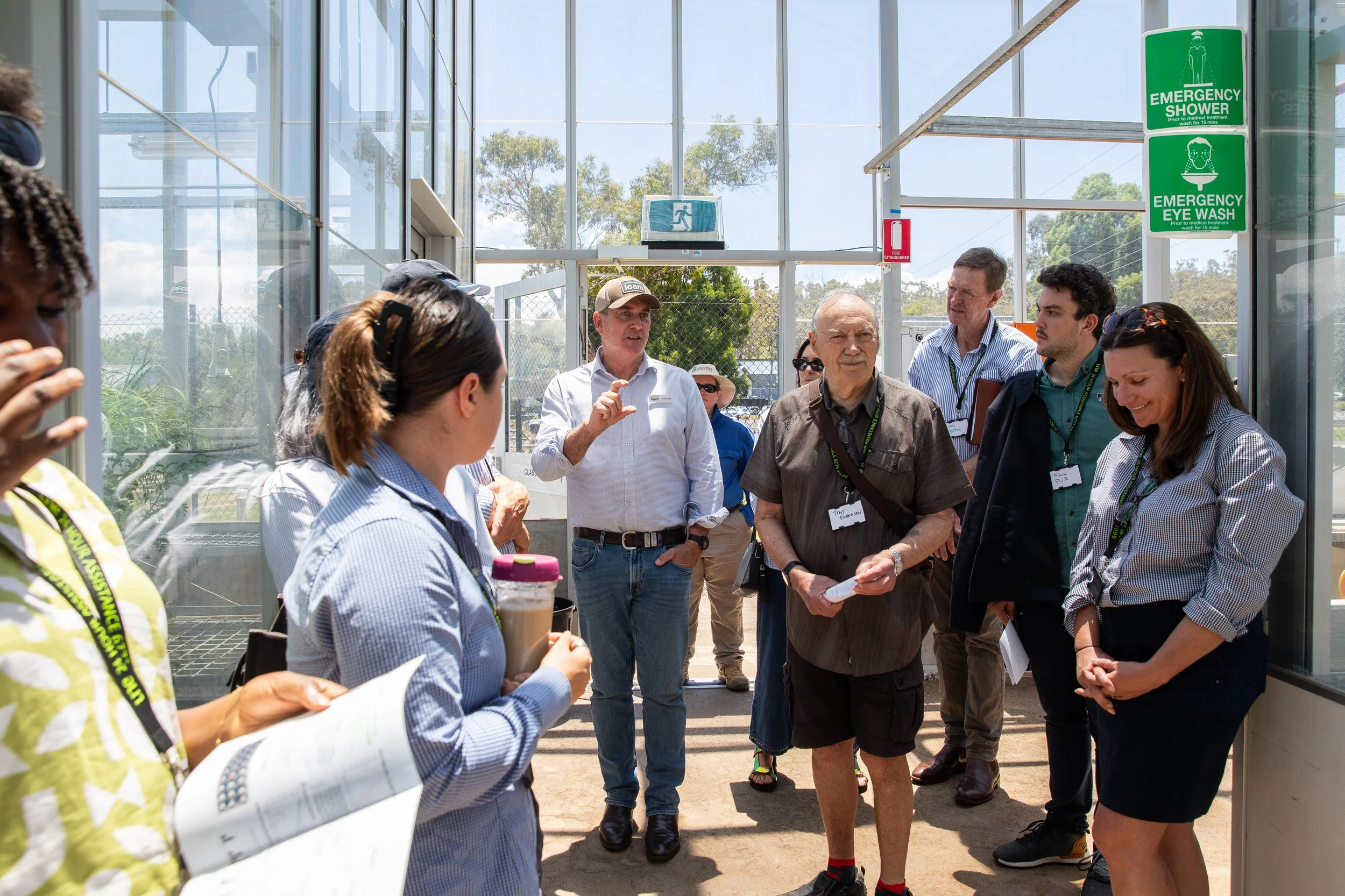
Rob Hulme from Loam Bio brought the conversation back to the soil itself, sharing insights into innovations aimed at reducing methane emissions and improving soil carbon outcomes, and the role science is playing in opening up new pathways for farmers.
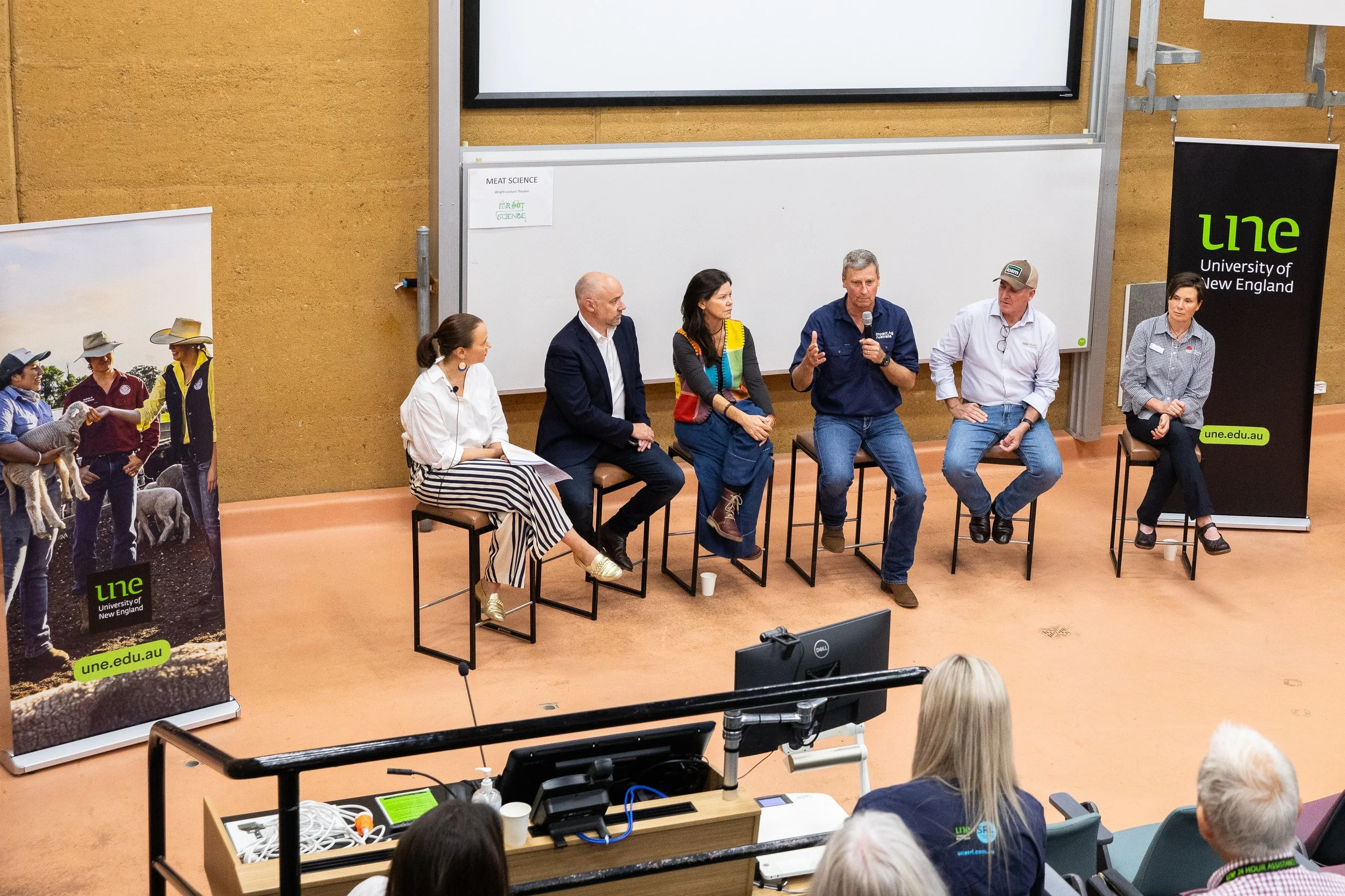
Those perspectives came together in a panel discussion moderated by Renée Grogan of JANA Investment Advisors. The conversation moved well beyond prepared remarks into open, honest discussion about measurement, incentives and the real-world complexity of change on the ground. The kind of conversation that takes a while to get going, and then doesn't want to stop.
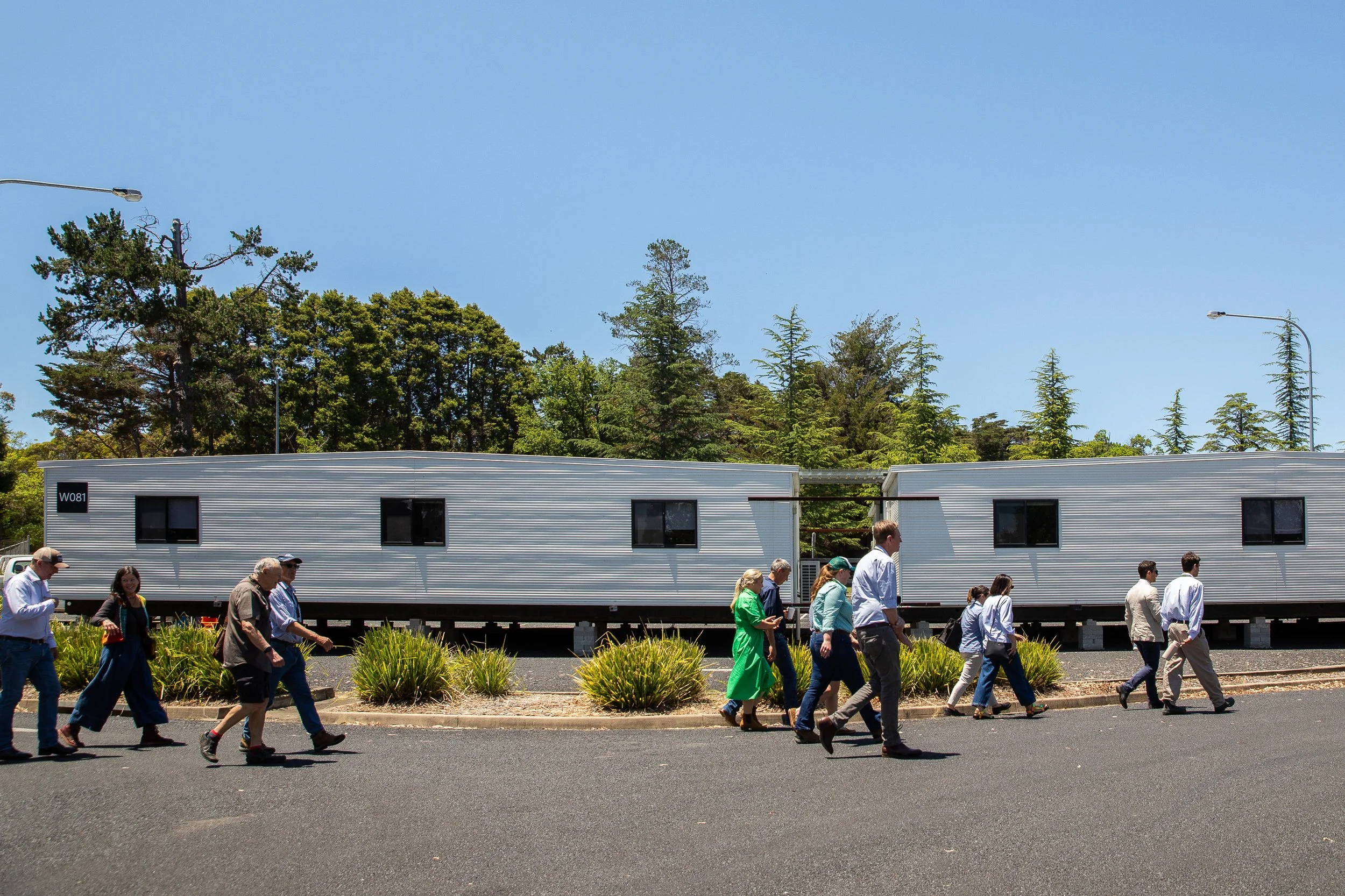
After the panel, participants were invited behind the scenes at UNE's research facilities. Groups rotated through the Methane Emissions Chambers and the Soil Science laboratories, where researchers walked visitors through the science underpinning much of the morning's conversation.
The conversations continued over lunch, which was held in the ‘Potting Shed’.
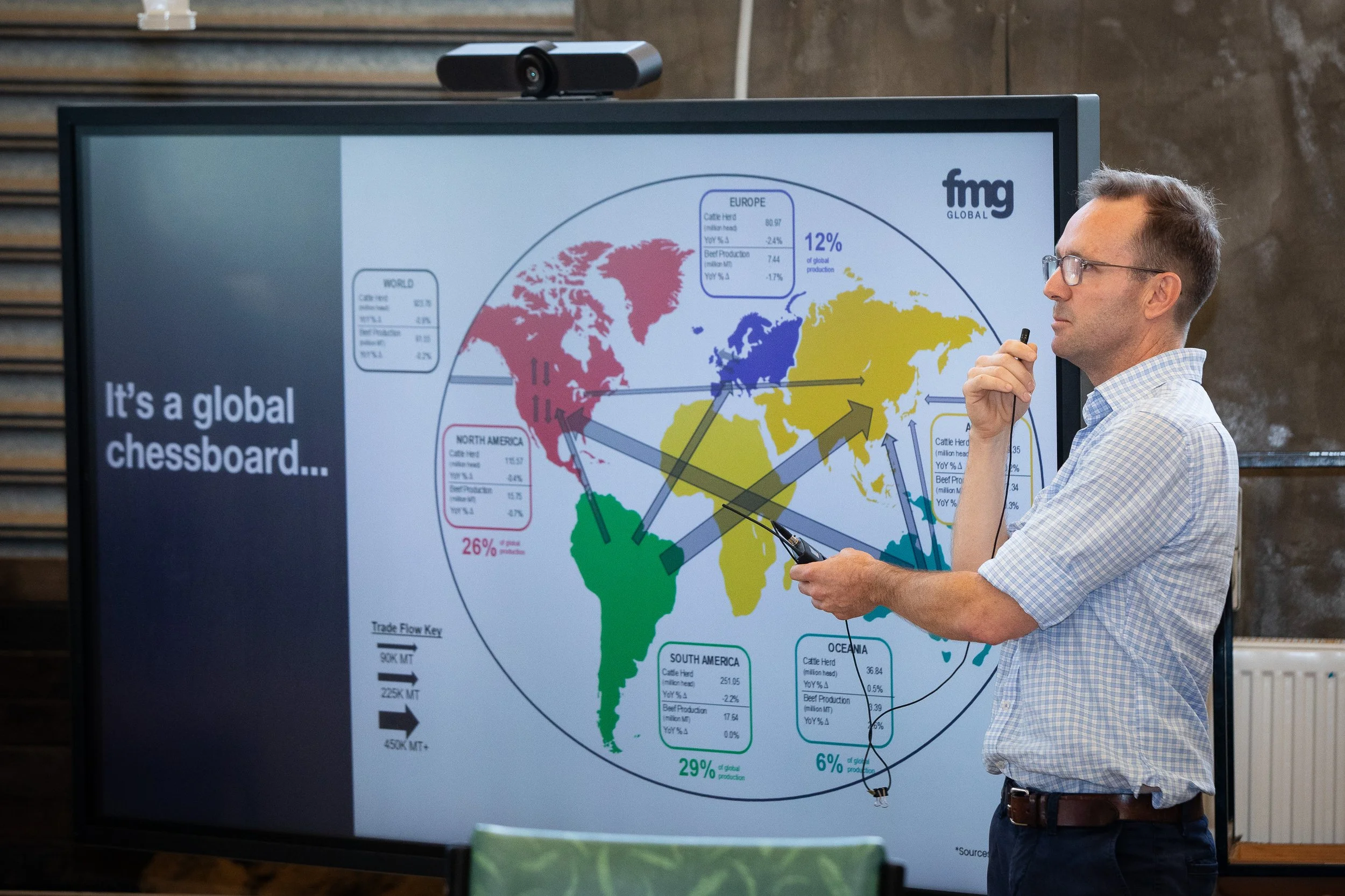
Connor FitzGerald from FMG Global opened with a perspective that grounded the day's conversations in the realities of global food systems. FMG manages exclusive beef and pork procurement for McDonald's worldwide, at a scale where delivering the right volume of the right product to the right place at the right time is a complex discipline in itself.
Connor was candid about the pressures: fluctuating farm costs, currency shifts, competition with other proteins, weather, livestock market transparency, and the weight of global trade restrictions and biosecurity concerns, all alongside McDonald's climate commitments for 2030 and 2050. Beef represents a significant share of McDonald's global emissions footprint, and that reality shapes every procurement decision.
What stood out was his framing of Australia's position. Oceania accounts for around six per cent of FMG's global beef sourcing, but Australia continues to differentiate itself in the international marketplace. The work happening here, around sustainable land management and supply chain resilience, is noticed and valued. As Connor put it, this is a long-term play; it isn't going anywhere.
Also at lunch, Brittany Tarrant, a high school student participating in the Youth Innovation Summit through the Agmentation in Schools program, presented Virtual Vet, a business she’s building to provide real-time veterinary assistance to remote farmers who can't always get a vet on site. Her work is driven by not only the direct need for veterinary assistance but, also as a way to help alleviate one of the key stressors that plays a key role in the mental health crisis in rural and remote areas.
The day wrapped with the Wild Ideas panel, which asked a simple but pointed question of the room: Are we doing enough to stand with the land?
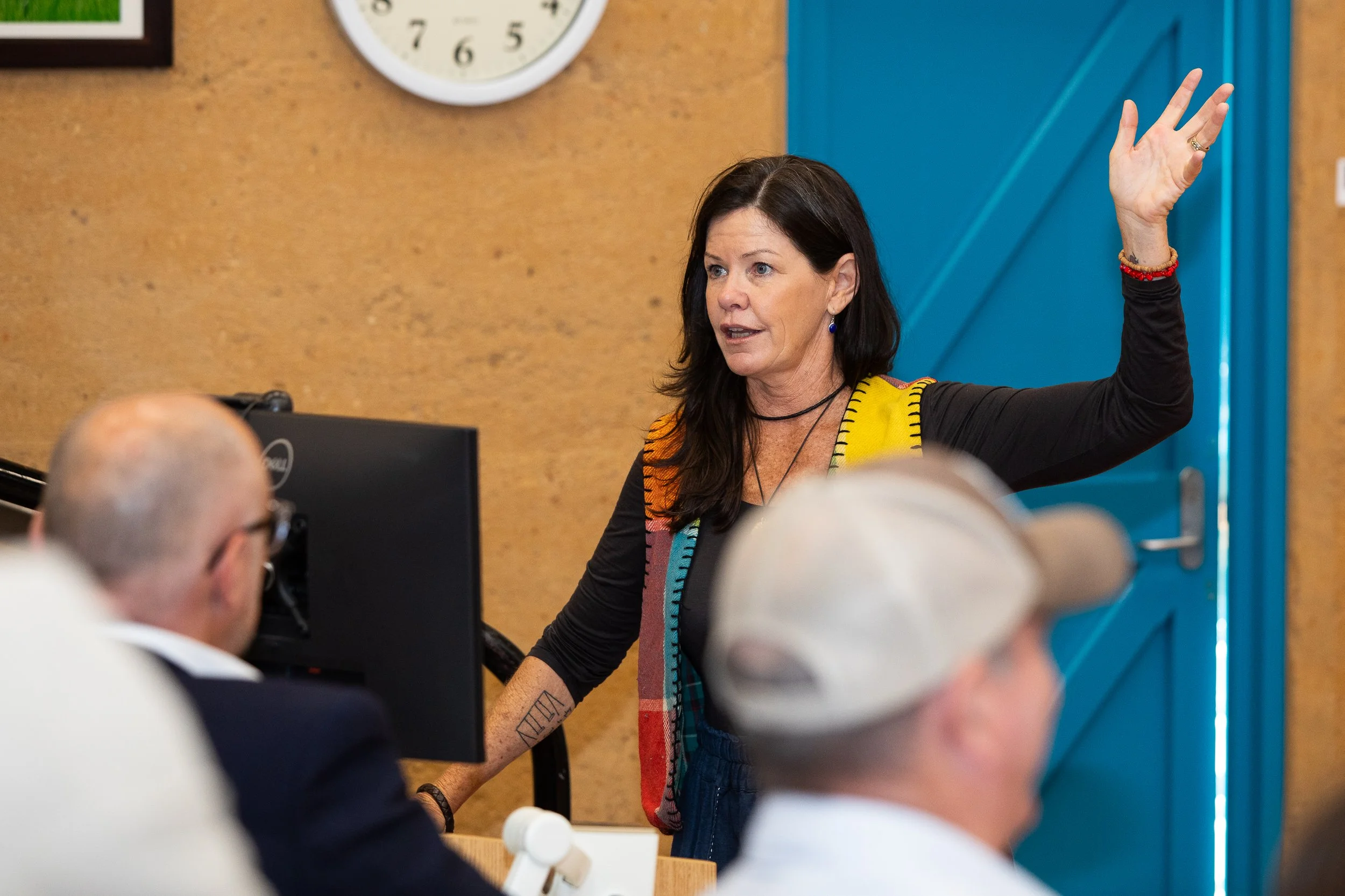
The answers were honest. Lorraine Gordon made the case for a national natural capital standard for Australia, one that shifts the burden back toward government for activities that benefit all of humanity, not just the individual farmer.
Angela Hammond echoed the need for a federal approach to sustainable land management and meaningful government support for producers navigating that shift.
Brittany observed that agriculture barely registers as a subject at school, with few experiences on offer to help young people understand what the industry actually looks like or the careers it holds, and noted that teachers and careers advisors often don't know enough about the sector to point students toward it.
Rob Hulme was direct: Australian farmers are innovative, but they have been let down by extension agencies. The focus, he argued, needs to be on impact rather than technology for its own sake, with advisors working out how new ideas can integrate into existing farm practices rather than pitching solutions one by one.
It was a fitting note to end on. And while there were no perfect answers or conclusions, there were plenty of starting points for real change.
Thank you to our speakers and panellists:
Rachel Lawrence – NSW Local Land Services
Angela Hammond – Landcare Agriculture
Hugh Killen – Impact Ag Australia
Todd Redwood – British Standards Institution
Rob Hulme – Loam Bio
Brittany Tarrant – Youth Innovation Summit (Virtual Vet)
Connor FitzGerald – FMG Global (Lunch Keynote)
Lorraine Gordon (Wild Ideas Panel)
Renée Grogan – JANA Investment Advisors (Moderator)
We're also grateful to the UNE researchers and team who hosted the facility tours, and to Sam Duncan, UNE SMART Region Incubator Entrepreneur in Residence and Founder of GexLabs, for helping bring together such an incredible group of speakers.
And to everyone who travelled to Armidale, asked questions, shared ideas and stayed for one more conversation over coffee and lunch, we can’t thank you enough for your support.
This event was funded by the NSW Government through the Boosting Business Innovation Program.